
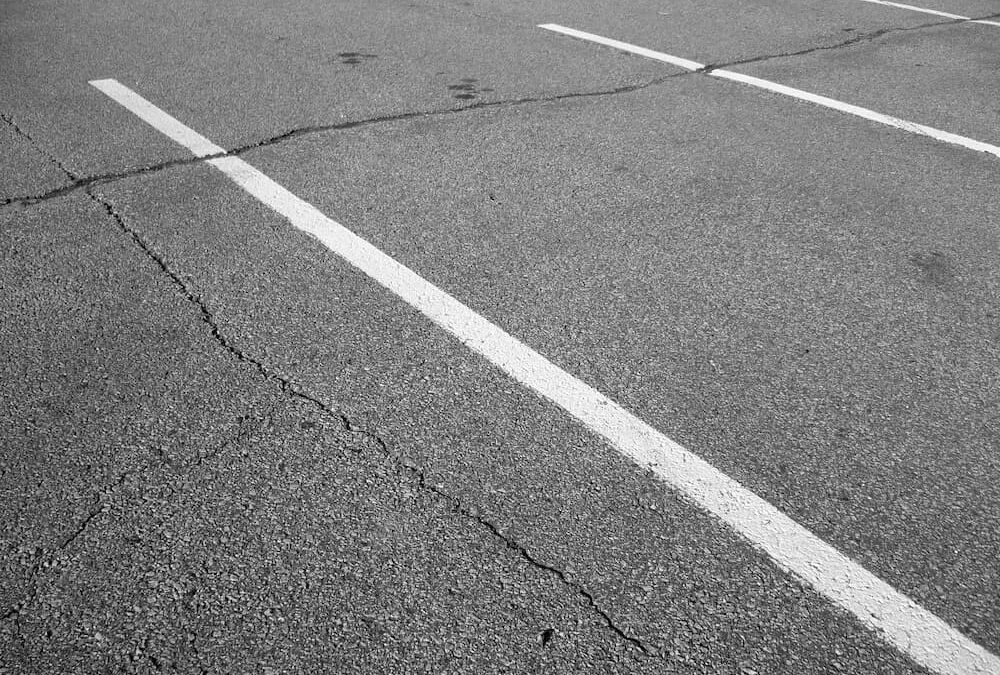
The choice between crack filling and full asphalt repair depends entirely on whether the damage is limited to the surface or has reached the underlying foundation. Preventative crack filling is the ideal solution for early-stage surface damage, while full asphalt repairs are necessary once the pavement structure is compromised. Understanding this distinction is the key to managing your property budget effectively. If you’re still unsure after reading this blog post, contact the experts at Sheedy Paving. We can help you determine the best path forward.
The Short Answer: It Depends on the Severity of the Damage
Choosing the right maintenance strategy requires an honest assessment of your pavement’s structural integrity. Crack filling serves as a protective barrier, keeping moisture out of the subbase. However, once that subbase is soft or shifting, topical fillers can no longer hold the surface together. Parking lot issues often escalate faster than property owners expect because asphalt is porous.
In Central Ohio, the freeze-thaw cycle significantly accelerates deterioration. When water enters a small crack and freezes, it expands, pushing the asphalt apart. Heavy traffic loads then crush these weakened areas, turning a simple maintenance task into a structural failure. Choosing the wrong solution often leads to higher long-term costs because a simple filler applied to a structural failure will pop out within weeks.
What Preventative Crack Filling Is, and When It Makes Sense
Crack filling is a cost-effective way to slow pavement deterioration when damage is minor and caught early. This process involves cleaning out debris and injecting a specialized material into the crack to seal it against the elements.
What Crack Filling Addresses
This method is designed for non-structural surface cracks. It is perfect for early shrinkage cracks caused by the natural aging of the asphalt or weather-related stress. If the area around the crack remains level and the water has not yet undermined the base, filling is the appropriate preventive measure.
Pros of Crack Filling
The primary advantage is the lower upfront cost. It allows property owners to protect large areas of pavement with minimal disruption to daily traffic. Most importantly, it extends the life of existing asphalt by several years, delaying the need for a total overlay.
Limitations and Common Pitfalls
Crack filling is not a permanent fix for advanced damage. It is ineffective once cracking spreads, widens significantly, or begins to connect into patterns. Delaying a necessary repair in favor of a cheap filler allows water to reach the base layer, which eventually causes the entire lot to fail.
When Full Asphalt Repairs Are the Better Investment
If the pavement structure is failing, crack filling alone will not solve the problem, and full repairs are required. Structural failure is usually obvious to the naked eye and indicates that the asphalt can no longer support vehicle weight.
Signs Crack Filling Is No Longer Enough
You should opt for full repairs if you see alligator cracking, which resembles reptilian scales. This is a clear sign of base failure. Potholes, soft spots, and uneven surfaces also indicate that the asphalt needs to be cut out and replaced.
Types of Asphalt Repairs Sheedy Paving Provides
Sheedy Paving offers professional asphalt patching and section replacement. We remove the damaged sections, repair the underlying base, and install fresh asphalt to restore strength and safety. These surface repairs are essential for preparing the pavement for longer-term maintenance strategies, like sealcoating.
Pros and Trade-Offs of Full Repairs
While full repairs have a higher upfront cost, they provide a much longer lifespan. They restore structural integrity, reduce your liability for vehicle damage or trip-and-fall accidents, and immediately improve the curb appeal of your commercial property.
Cost, Longevity, and Timing: How to Decide What is Right
The most cost-effective solution is the one that best matches your pavement’s current condition, rather than the cheapest option available today. Professional crack filling can last several years if the asphalt is stable, whereas a full patch can last a decade or more. Postponing a necessary repair often multiplies future costs by a factor of ten because a small pothole can quickly expand to destroy the surrounding yardage.
Get the Right Fix Before Small Problems Become Big Ones
An experienced evaluation is the best way to avoid unnecessary work and expenses. Since 1941, Sheedy Paving has served Central Ohio with a commitment to honest recommendations based on actual pavement conditions. We focus on providing the right solution for your specific needs rather than upselling unnecessary services.
Contact Sheedy Paving today for a professional assessment to determine whether preventative crack filling or a full asphalt repair is the smartest next step for your parking lot.
Image credit: // Shutterstock // Pascal Huot